Exclusivo para médicos · Do ditado à assinatura
Você interpreta o exame.
O laudo sai na sua máscara.
Dite os achados como você fala no plantão. O laudo sai no seu modelo, com a classificação e o critério oficial, pronto para revisar e assinar.
14 dias ou 30 laudos grátis · sem cartão · importamos suas máscaras
52smedianaDados de radiologiaDo editor à assinatura09/04–09/05/2026 · em produçãoResultados em radiologia
52 segundosdo editor à assinatura
dos laudos em menos de 1 minuto
do editor aberto à assinatura.
recuperadas a cada 100 laudos
de tempo de radiologista.
de fidelidade ao laudo assinado
em 120 casos do snapshot v3.10.
classificações versionadas
servidas por API. Nenhum score sai sem fonte.
Mediana medida em produção de 9 de abril a 9 de maio de 2026; não mede TAT total nem qualidade clínica. O LaiBench é benchmark interno, não validação clínica externa.
Feito por quem lauda
Termine o plantão
no plantão
Você avalia a imagem, decide e dita livremente. O Laudos.AI organiza técnica, análise e impressão diagnóstica no seu modelo, sem comandos de formatação.
Ver a demonstraçãoSuas máscaras, já configuradas. Use os modelos da sua rotina ou envie os seus arquivos e a nossa equipe configura na sua conta. No fluxo institucional, indicação e histórico chegam do RIS/PACS.
Fala corrida vira laudo técnico. Dite apenas o que está alterado. O sistema substitui o normal da máscara, estrutura a descrição anatômica e exibe o critério ACR / RADS ao lado do achado.
Revisão rápida e rastreável. O laudo chega pronto para você conferir. Ajuste por voz o que quiser e assine no seu sistema. Cada geração fica registrada, do ditado ao texto final.
Casos reais de plantão
O que você fala no microfoneO laudo que sai
Sem ditar “ponto parágrafo” e sem somar pontos de cabeça. Escolha um exame:
“Olha, tem achados sugestivos de tromboembolismo pulmonar sim. Tá em cavaleiro lá, então TEP central, né? E além disso tô vendo uma consolidação aerada aqui no segmento basal posterior do lobo inferior direito, com uns 6,3 centímetros. Como é em vigência de TEP, acho que pode ser um infarto.”
Tronco da artéria pulmonar: Falha de enchimento vascular estendendo-se pela bifurcação do tronco pulmonar e artérias pulmonares principais (tromboembolismo pulmonar em cavaleiro).
Parênquima pulmonar: Consolidação com broncogramas aéreos no segmento basal posterior do lobo inferior direito, com extensão de 6,3 cm, sugestiva de infarto pulmonar.
Sinais de tromboembolismo pulmonar agudo central (em cavaleiro), com consolidação no lobo inferior direito compatível com infarto pulmonar.
CRIT Achado crítico sinalizado para conferência e comunicação registradas.
“É uma ultrassonografia de tireoide. Glândula tá tópica, dimensões normais, textura um pouco heterogênea. E o mais importante: nódulo sólido hipoecogênico no terço médio do lobo direito, medindo 1,2 cm. Mais largo do que alto, margens regulares, sem microcalcificações.”
Lobo direito: Nódulo sólido e hipoecogênico no terço médio, com margens regulares, mais largo do que alto e sem microcalcificações, medindo 1,2 cm (ACR TI-RADS 4).
Parênquima: Glândula tópica, de dimensões normais e textura discretamente heterogênea.
Nódulo sólido hipoecogênico no lobo direito da tireoide, ACR TI-RADS 4.
GUIDE O critério ACR TI-RADS chega ao lado do achado. A categoria é decisão médica.
“É uma RM de próstata multiparamétrica. Na zona periférica póstero-lateral direita, terço médio, tem um nódulo espiculado com hipossinal em T2, restrição acentuada na difusão, queda no mapa de ADC, medindo 1,6 centímetros. Tem realce precoce pelo contraste, importante.”
Zona periférica: Lesão nodular de contornos espiculados no terço médio da zona periférica posterolateral direita, com hipossinal em T2, acentuada restrição à difusão e realce precoce, medindo 1,6 cm.
Cápsula prostática: Contato e discreto abaulamento adjacente ao nódulo, sem evidência definitiva de extensão extraprostática grosseira.
Lesão com alta probabilidade de neoplasia prostática significante (PI-RADS 5).
GUIDE Categoria PI-RADS v2.1 sugerida com o critério ao lado e referência no RadCommons.
Como funciona
Um sistema de inteligênciapara cada etapa do laudo

Dite como você pensa
Fala livre ou tópicos viram um rascunho estruturado na máscara da casa, no editor web ou direto por áudio no WhatsApp.

Classificação no ponto certo
BI-RADS, LI-RADS, PI-RADS, TI-RADS e Lung-RADS sugeridos com o critério oficial visível na hora da decisão.

Achado crítico governado
Sinalização automática na conclusão, controle de SLA, escalonamento e registro auditável de comunicação por exame.
Revisão e proteção contra glosa
Aponta divergência de lado, medida e conclusão para peer review e confere laudo, pedido e cobrança TUSS antes do faturamento.
Na clínica
Conecta, lauda e entregaNa operação que você já tem
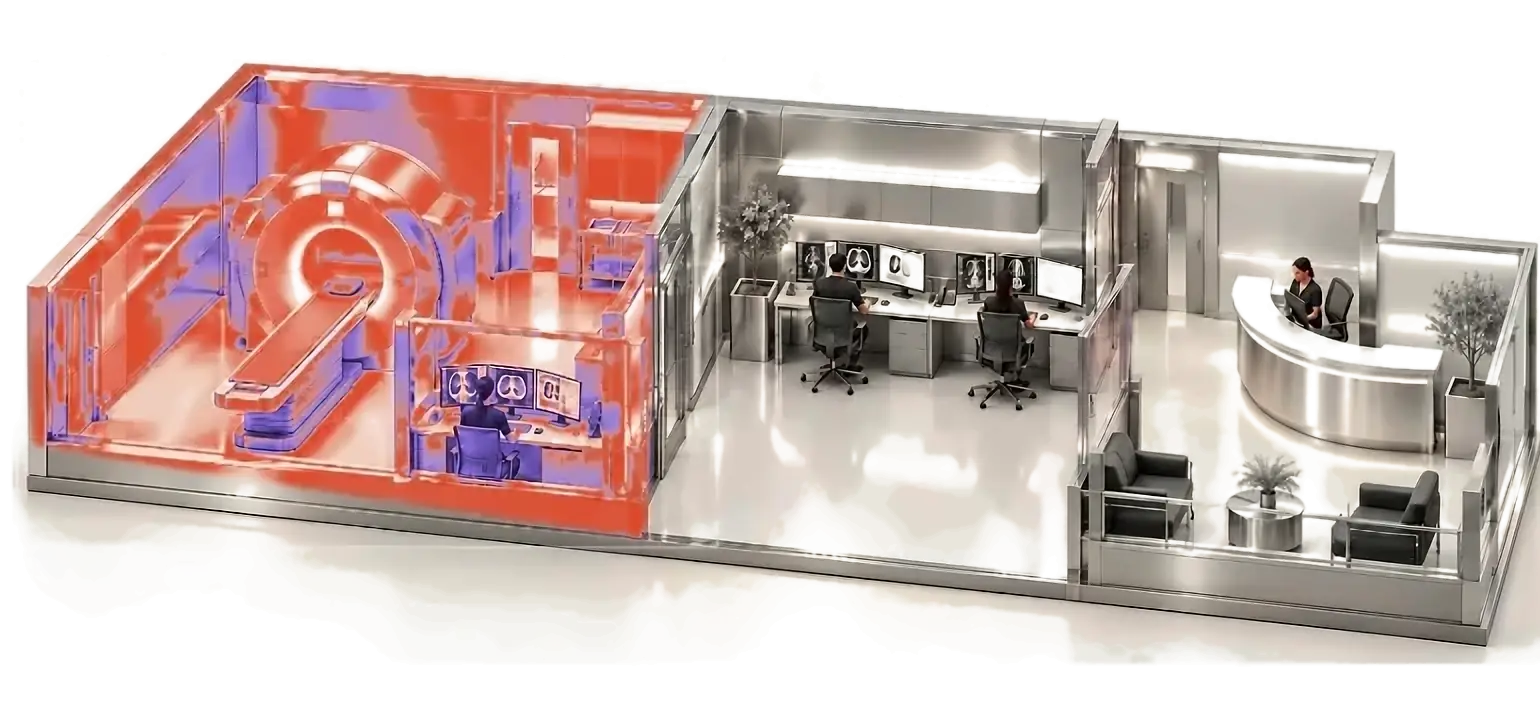
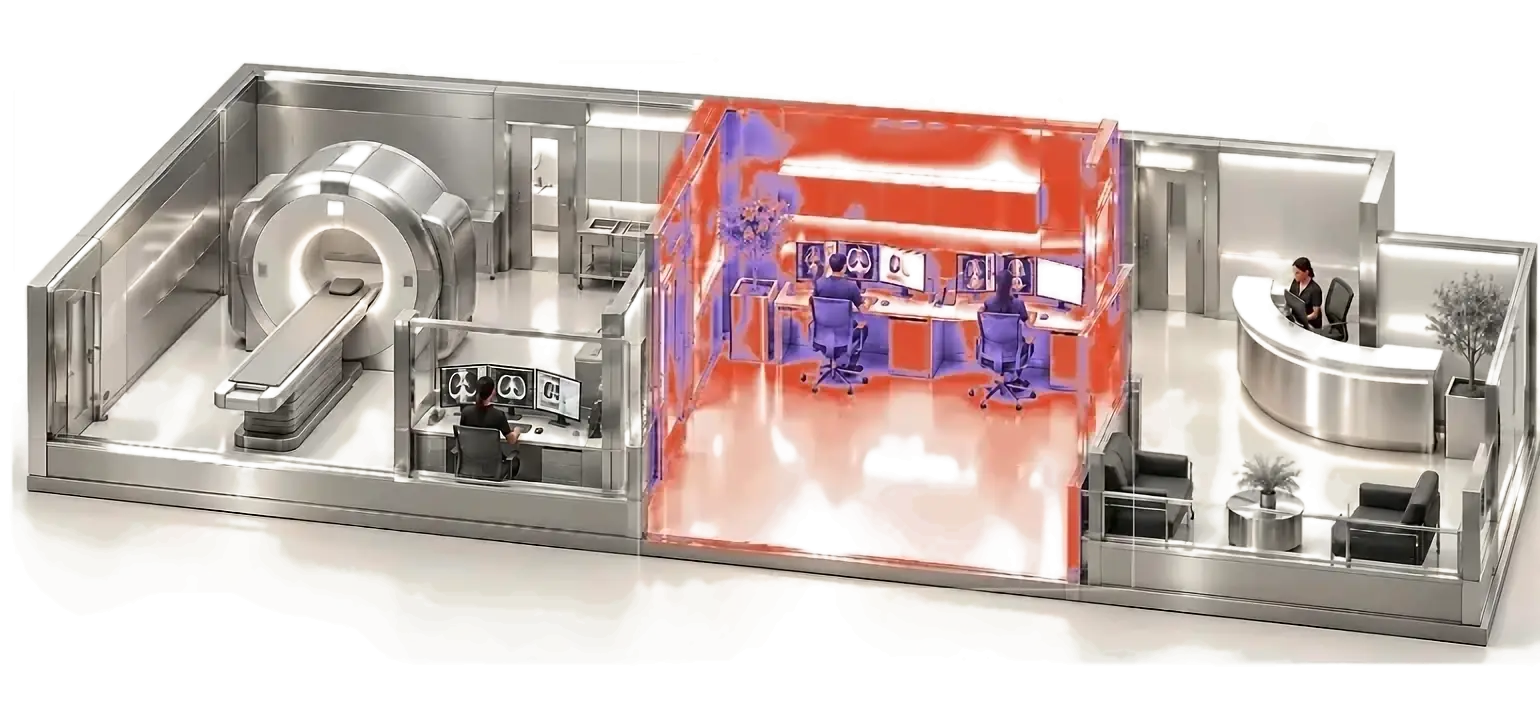
Seu PACS e seu RIS. Agora conectados.
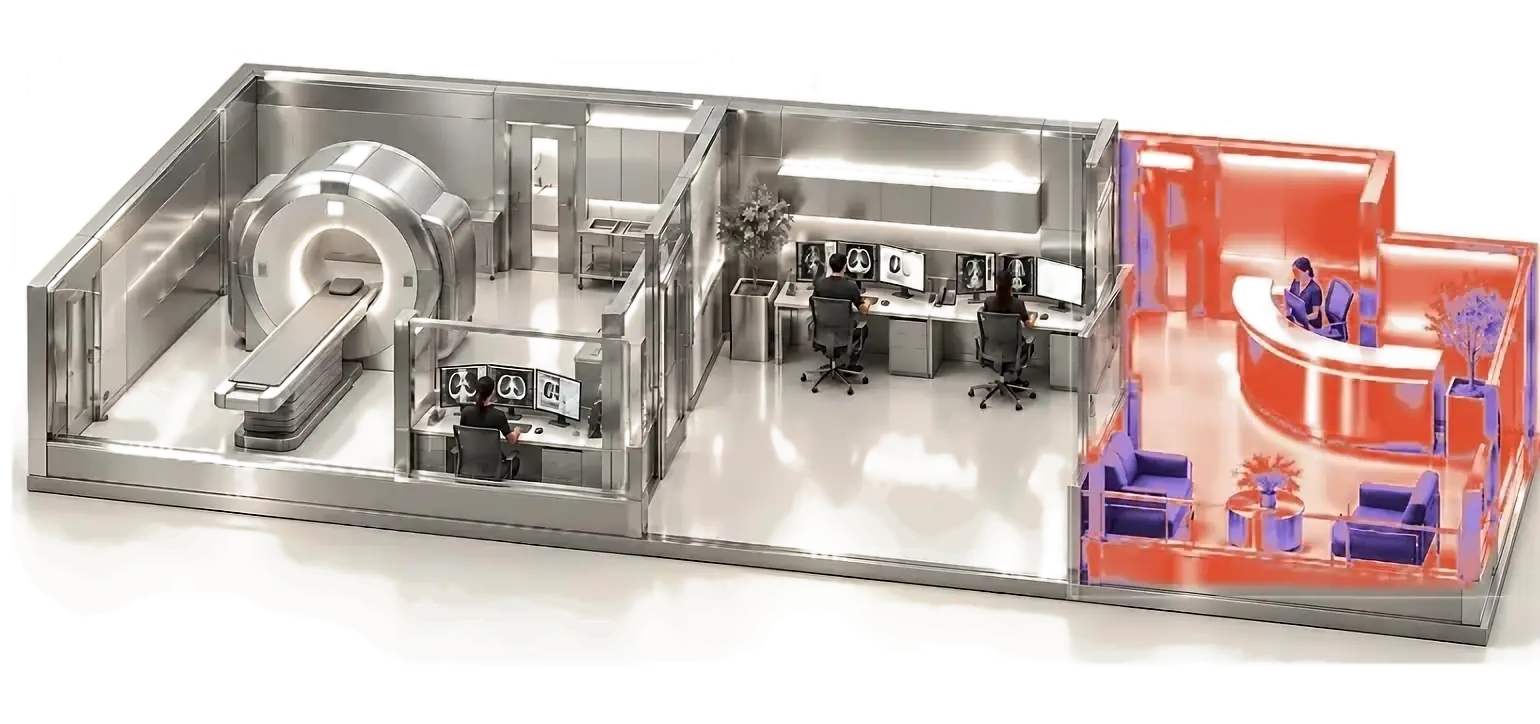
A Laudos.AI se integra aos sistemas que a clínica já usa, sem trocar equipamento e sem parar a agenda de exames.
01 / 03Sua voz. Sua máscara. Sem digitar.
Você dita do jeito que fala. O laudo ganha a estrutura do seu modelo, com a terminologia da sua especialidade.
02 / 03Laudo assinado. Paciente atendido.
Achado crítico sinalizado para comunicação imediata e laudo pronto para liberar assim que o médico assina. A fila anda e o prazo de entrega cai.
03 / 03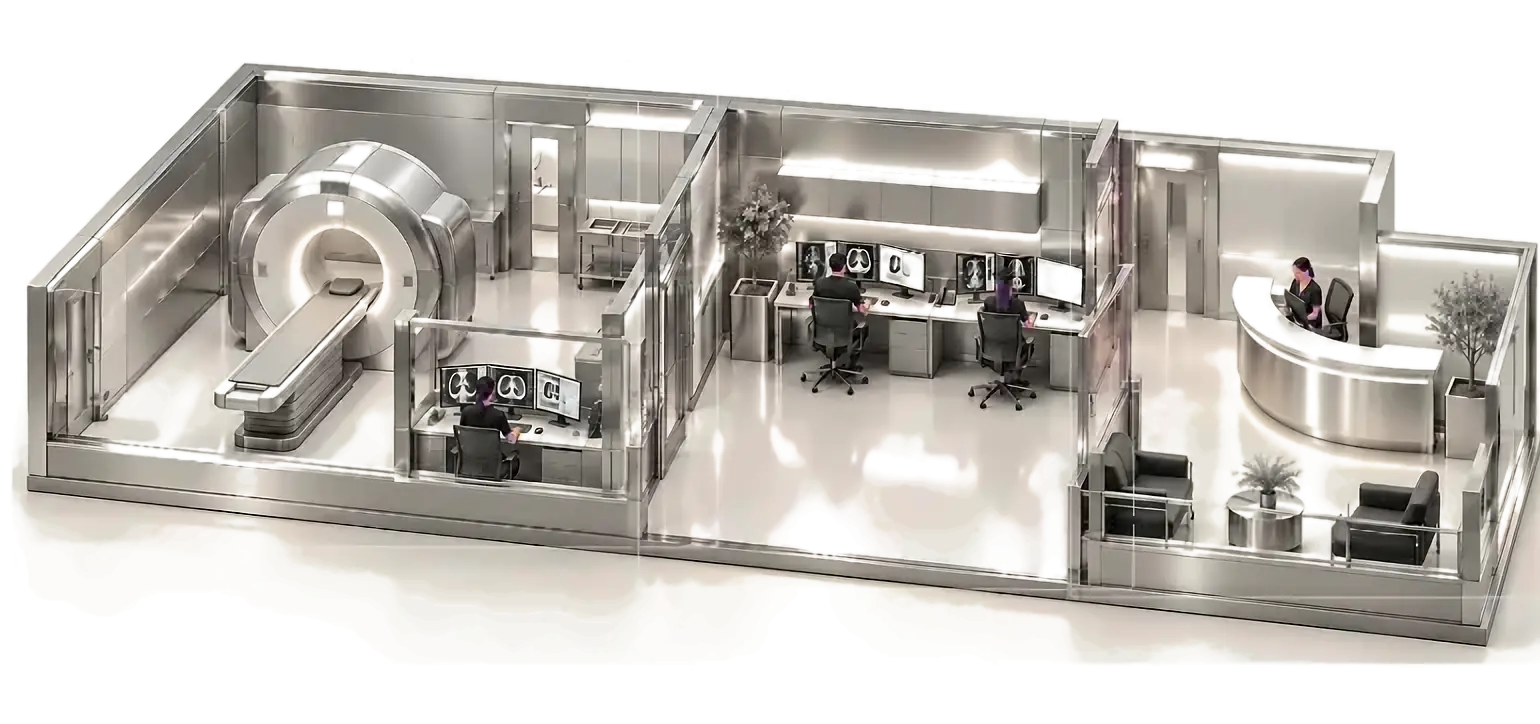
Laudos.AI RADAR · para instituições
O laudo terminouO trabalho, não
O RADAR sinaliza o que precisa de comunicação, peer review ou acompanhamento. E compara laudo, cobrança e autorização para apontar risco documental de glosa.
O sinal crítico não termina na conclusão.
Encontre laudos com sinais da sua lista de críticos. Confira a necessidade de comunicação e acompanhe contato e recebimento como etapas separadas.
Hemorragia intracraniana
O que está no documentoHematoma subdural agudo.
Neste exemplo, ainda não há contato registrado na sessão. Isso não comprova ausência de comunicação em outro sistema.
Revisão com um motivo, não só uma marcação.
Compare técnica, medidas, lateralidade, descrição e conclusão. Localize possíveis inconsistências e os trechos que justificam encaminhar o laudo para peer review.
Lateralidade divergente
O que está no documentoLesão no rim direito.
Lesão no rim esquerdo.
Conferir as duas afirmações antes de corrigir. A análise textual não determina qual lado está correto.
A recomendação fica visível para a equipe.
Localize recomendações de controle e investigação no laudo. Separe o que precisa de conferência e acompanhamento, sem perder o trecho de origem.
Controle recomendado no laudo
O que está no documentoSugere-se controle tomográfico em 3 meses.
O intervalo vem do documento deste exemplo. A equipe avalia a recomendação no contexto clínico.
O laudo sustenta o que foi cobrado?
Compare laudo, cobrança e autorização. Confira diferenças de procedimento, contraste e lateralidade antes de faturar ou durante a auditoria da operadora.
Contraste: laudo × cobrança
O que está no documentoExame realizado sem contraste intravenoso.
TC de tórax com contraste intravenoso.
Risco documental de glosa. Conferir o registro de administração e conciliar os documentos, sem negar ou liberar automaticamente.
Quem usa
Profissionais que saem do plantãocom menos atrito
“Consigo fazer o laudo de todos os exames no próprio plantão. Não levo mais nenhum trabalho pra casa. E ainda previne o retrabalho.”
“Uso o Laudos.AI para os meus Dopplers. A precisão na estruturação dos achados é o que mais se destaca.”
Planos e preços
Teste no seu próximo plantãoDecida depois
R$ 0
14 dias ou até 30 laudos. Use nos seus exames reais, com as suas máscaras. Nossa equipe importa seus modelos sem custo. Sem cartão e sem cobrança automática.
Testar 30 laudos grátisR$ 299/mês
Até 1.000 laudos por mês. Ditado estruturado ilimitado em todas as especialidades, classificações RADS com fonte visível, máscaras personalizadas e suporte prioritário via WhatsApp.
Testar 30 laudos grátisSob medida
Para clínicas de imagem, hospitais e telerradiologia. Integração com o seu PACS e RIS, módulos CRIT e RADAR (auditoria de glosa e peer review), governança de templates e SLA dedicado.
Agendar demonstraçãoRecursos
Guias para laudos em radiologia
Escolha o material para a etapa que você quer melhorar: ditado, revisão ou escolha do software. Os guias explicam o que comparar e como testar, com os limites de cada recurso.
Software de laudos radiológicos
Editor, reconhecimento de voz e estruturação com IA resolvem tarefas diferentes. Compare o esforço para adaptar seus modelos, revisar o texto e entregar no sistema oficial. O guia reúne critérios de custo, acesso e integração para o teste na sua rotina.
Ditado por voz para laudos
Dite termos, medidas e negações como no plantão. Depois, confira o que foi transcrito, o que entrou no rascunho e o que precisou de correção. O guia separa reconhecimento de voz e organização do laudo.
Como avaliar IA para laudos
Compare os achados informados com cada afirmação do texto gerado. Registre omissões, acréscimos, lateralidade, medidas e mudanças de estrutura. Consulte os critérios de revisão e os limites das métricas antes de avaliar ganho de tempo.
Perguntas frequentes
Antes de vocêtestar
Dúvidas de quem lauda, gerencia ou cuida da TI. Se a sua não estiver aqui, fale com a equipe.
Falar com a equipeNão. O Laudos.AI atende quem lauda em radiologia, medicina nuclear, cardiologia e outras especialidades. Você dita os achados; o texto segue o seu modelo. Você revisa e assina.
Todo resultado é um rascunho assistivo. Você confere achados, medidas, lateralidade, classificações e conclusão. Interpretação, edição e assinatura continuam sendo do médico, e cada mudança fica registrada.
14 dias ou até 30 laudos, o que vier primeiro. Sem cartão e sem cobrança automática. Depois, o plano Pro custa R$ 299/mês para até 1.000 laudos.
A integração depende dos sistemas e do escopo. Na demonstração institucional, a equipe avalia o seu cenário antes de definir a proposta.
A Laudos.AI está conforme a Resolução CFM 2.454/2026 e a LGPD. A documentação de segurança está pronta para avaliação de TI e DPO.
Mais laudo resolvido no plantão. Mais vida fora dele.
A interpretação diagnóstica é sua. A formatação não precisa ser. Comece agora com 30 laudos grátis, sem cadastrar cartão.